Wed, Jun 24, 2026 -
Subscribe & never miss our best posts. Subscribe Now!
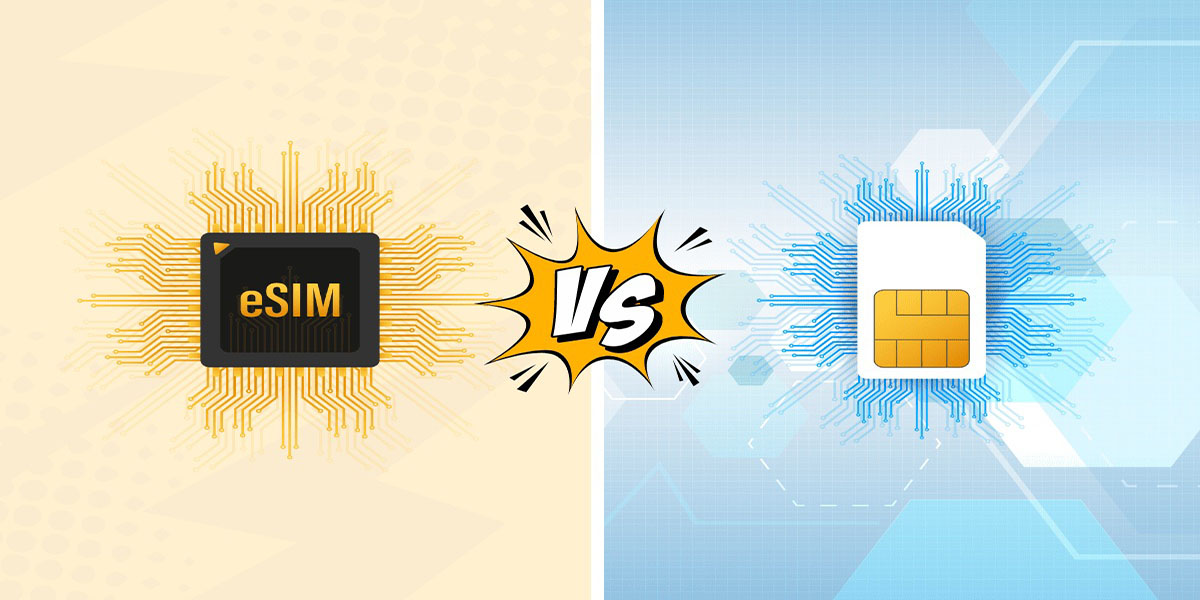
In the ever-evolving world of mobile technology, the debate between eSIM vs. physical SIM cards is gaining traction. Both have unique advantages and drawbacks, making the choice between them dependent on individual needs and preferences. Let’s dive into the details to help you make an informed decision.
A SIM (Subscriber Identity Module) card is a small chip that stores your mobile number and connects your phone to your carrier’s network. Traditionally, this has been a physical card you insert into your device. However, with technological advancements, we now have eSIMs (embedded SIMs), which are built into the phone itself.
One of the most significant advantages of eSIMs is the ease of switching networks. You can change carriers without needing to visit a store or wait for a new SIM card to arrive. This is particularly useful for frequent travelers1.
eSIMs eliminate the need for a physical slot, allowing manufacturers to use that space for other components or to make devices slimmer.
Many modern phones support both eSIM and physical SIM, enabling you to have two numbers on one device. This is great for separating work and personal lines.
eSIMs can be activated remotely, which means you can set up your phone with a new carrier from the comfort of your home.
Not all carriers support eSIM technology yet. This can be a significant limitation if your preferred carrier doesn’t offer eSIM services.
While rare, there can be technical glitches during the activation process, which might require assistance from customer support.
Although eSIMs are generally secure, the remote provisioning process could potentially be targeted by hackers. Ensuring your device’s security is paramount.
Physical SIM cards are universally accepted by all carriers, making them a reliable choice, especially in regions where eSIM support is limited.
For those who prefer a straightforward, tangible option, physical SIM cards are easy to use and swap between devices.
Physical SIM cards don’t require any technical setup or activation process, making them user-friendly for those less tech-savvy.
Read more – Top 5 Benefits of Instagram Reels for Business Growth
Switching carriers or phone numbers requires physically changing the SIM card, which can be inconvenient and time-consuming.
The physical slot for the SIM card takes up space in the device, which could be used for other components or to make the device slimmer.
Physical SIM cards can be easily damaged or lost, which can lead to connectivity issues.
Both eSIM and physical SIM cards have their pros and cons. If you value convenience, space-saving, and the ability to switch networks easily, an eSIM might be the right choice for you. However, if you prefer universal compatibility and a straightforward, tangible option, a physical SIM card could be more suitable. Ultimately, the decision depends on your specific needs and the level of support your carrier provides for eSIM technology.