Tue, Jul 14, 2026 -
Subscribe & never miss our best posts. Subscribe Now!
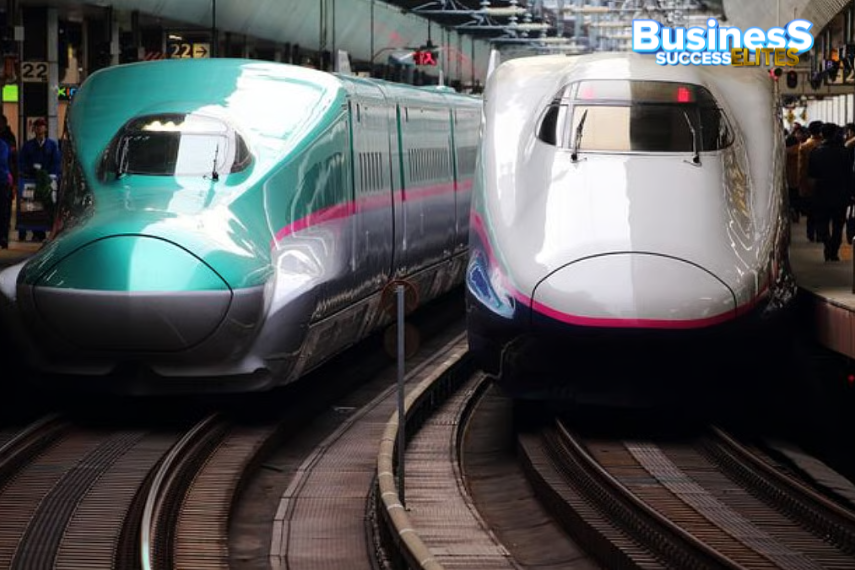
Japan’s gift to India is much more than an act of kindness, rather a new step towards the future of transport. The Shinkansen bullet trains given by Japan reach a speed of 320 km/h and are to be employed in the Mumbai-Ahmedabad corridor, as the first bullet train project in India.
The step is a symbol of greater Indo-Japanese strategic alignment and will benefit India with a vital lead in trial, training, and readying its infrastructure for high-speed rail transport. But the effect is not only technical—it’s profoundly economic.
From the creation of jobs to technology transfer, regional development, and increased business mobility, the advantages are numerous. Japan is not merely exporting trains—it’s exporting know-how, training, and a tested model that can change the face of India’s public transport and urbanization.
India plans to operationalise the corridor by 2026, with a view to eventually manufacturing high-speed trains indigenously. Through the partnership, India’s railways may finally be ready to begin a high-speed era—both literally and economically.
Also Read:
Swiggy Introduces Pyng: Your Personal AI-Driven Assistance for Neighborhood Services
Airtel Partners with Blinkit for Delhi-NCR’s 10-Minute SIM Card Delivery
The Odyssey Mumbai Premiere: Nolan’s India Debut
July 14, 2026How the Asian Financial Crisis Rewired Southeast Asia
July 13, 2026