Mon, Aug 3, 2026 -
Subscribe & never miss our best posts. Subscribe Now!
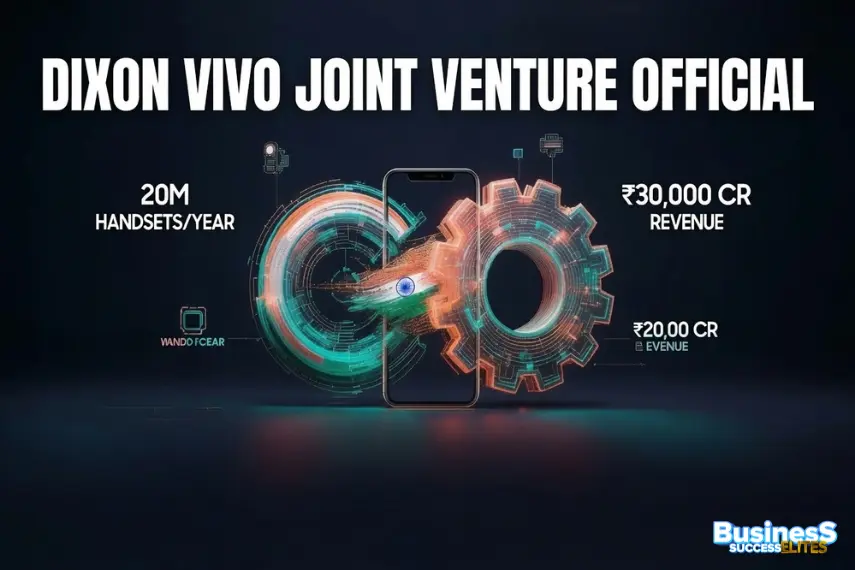
The Dixon Vivo joint venture is official now. It’s no longer just paperwork sitting in a government file.
On July 8, the Centre approved the tie-up between Noida-based Dixon Technologies and Vivo Mobile India. The wait had stretched back to December 2024, when both companies first signed their agreement.
For anyone tracking India’s electronics manufacturing story, this isn’t a small development. In fact, it’s one of the clearest signals yet that New Delhi is willing to work with Chinese capital again. But only on tightly controlled terms.
Under the deal, Dixon will hold 51% of the new venture. Vivo Mobile India keeps the remaining 49%.
Neither company gets a stake in the other’s existing business. This is a fresh entity, built specifically to manufacture smartphones and other electronic devices as a contract manufacturer.
So how big is this, really? Here’s a quick snapshot:
That last figure isn’t pocket change. It could meaningfully reshape Dixon’s balance sheet over the next couple of years.
Here’s where the story gets more interesting than a routine business update. Deals involving Chinese money in India don’t move quickly anymore. And there’s a clear reason why.
Since the border tensions of 2020, investments from countries sharing a land boundary with India need senior government clearance. China falls squarely into that category. The rule is known as Press Note 3.
So what changed this time? This approval comes under a revised version of that framework. The new rules allow non-controlling beneficial ownership of up to 10% from land-bordering nations through certain routes.
Regulatory watchers are calling it one of the first clearances under these eased norms. That detail matters. It shows how carefully Vivo and Dixon structured the partnership to satisfy New Delhi’s comfort level, while still keeping the Chinese brand’s supply chain intact.
Beyond the numbers, there’s a strategic layer worth noting. The new venture won’t be locked into making phones exclusively for Vivo.
Dixon has confirmed the JV can manufacture electronic products for other brands too. That flexibility gives it room to diversify its client base down the line.
Dixon’s leadership sees the deal as a step toward strengthening its position in India’s Android ecosystem. Managing Director Atul Lall has previously spoken about meeting India’s growing appetite for locally made devices. This JV fits squarely into that vision.
What we’re watching here isn’t just one contract manufacturing deal. It’s a template.
If this JV runs smoothly, expect other Chinese electronics brands in India to pursue similar structures: majority Indian ownership, minority Chinese stake, and government sign-off from day one.
For now, though, the Dixon Vivo joint venture stands as a real-world test. Can India’s tightened investment rules still leave room for large-scale manufacturing partnerships to actually get built? This deal suggests the answer is yes — with the right structure.
Japan, US Yen Intervention Signals Historic Currency Truce
August 3, 2026