Mon, Aug 3, 2026 -
Subscribe & never miss our best posts. Subscribe Now!
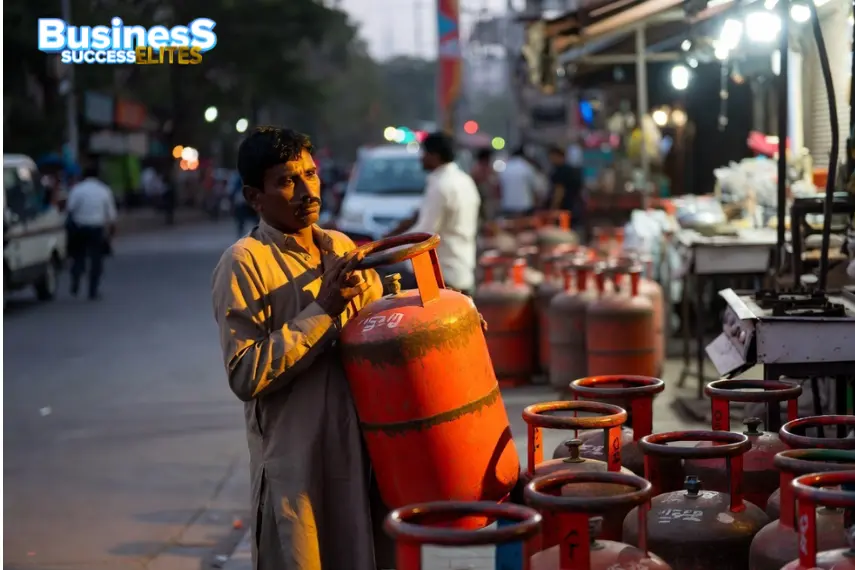
The morning of May 1st brought unwelcome news for India’s restaurant owners, hotel operators, and catering services, as the Commercial LPG price hike reaches 48%. Oil Marketing Companies announced their sharpest commercial LPG price increase in years, a stunning 48% spike that sent shockwaves through the hospitality and food services sectors. For the first time, 19-kilogram commercial gas cylinders crossed the ₹3,000 mark in Delhi, settling at ₹3,071.50 after a jump of ₹993.
Beyond a number on a price list, it translates into immediate pressure on operational budgets for small business owners already operating on razor-thin margins. Restaurant owners face a tough choice: absorb the costs and watch profits shrink, or pass them along to customers through higher menu prices.
The commercial LPG price hike didn’t affect all cities equally. Kolkata witnessed the most aggressive increase, ₹1,147 per cylinder, pushing prices to ₹3,355. Chennai followed closely with an ₹1,013 jump to ₹3,259.50, while Mumbai saw ₹1,015.50 added to its bill, reaching ₹3,024. Delhi’s ₹993 increase, though substantial, ranked as the smallest hike among major metros.
“This comes right at the start of the summer season when eating out is already becoming expensive,” says a restaurant owner from Delhi’s Connaught Place area. “We’re caught between keeping customers and keeping the business afloat.”
Understanding the commercial LPG price hike requires looking beyond India’s borders. The spike stems from a perfect storm of global energy pressures, particularly escalating tensions in West Asia and mounting concerns about the Strait of Hormuz, a critical chokepoint through which nearly 88% of India’s LPG imports flow.
India depends on imports for roughly 60% of its LPG requirements, making the country vulnerable to international market fluctuations. When geopolitical tensions rise and supply routes face potential disruption, prices climb. Crude oil serves as the international benchmark, and recent months have seen it trending upward due to these Middle East-related concerns.
“The global energy markets are interconnected in ways most people don’t realise,” explains an energy sector analyst. “What happens in the Middle East today becomes a bill increase in Indian restaurants tomorrow.”
Here’s where the story takes an interesting turn. While commercial LPG prices skyrocketed by nearly half, domestic cooking gas prices for 33 crore household consumers remained unchanged. A 14.2-kilogram domestic cylinder continues to cost around ₹913 in Delhi, ₹912.50 in Mumbai, ₹939 in Kolkata, and ₹928.50 in Chennai.
This stark contrast reflects government policy prioritising household affordability during times of global uncertainty. The government absorbed high costs to shield everyday families from price volatility, while allowing commercial sectors—accounting for less than 1% of total LPG consumption—to bear the brunt of international market pressures.
“The government’s approach shows who gets protection during global crises,” says a policy observer. “Households are shielded; businesses navigate the storm alone.”
The May hike marks the third significant commercial LPG price increase since March 2026. In March, prices rose by ₹114.50, followed by an April jump of between ₹195 and ₹218 per cylinder. The cumulative effect over these three months is dramatic—in Delhi, commercial 19kg cylinder prices have climbed by ₹1,331 since March 1st.
This pattern reflects the sustained nature of global energy pressures. These aren’t temporary blips but shifting market dynamics that are expected to persist through the current fiscal year.
While larger hotel chains and restaurant franchises might absorb costs through economies of scale, smaller establishments face genuine hardship. Street food vendors operating with minimal working capital, small eateries running family kitchens, and catering services handling weddings and events all face immediate operational challenges.
“For roadside eateries and small restaurants, this hit is existential,” notes a business consultant. “They can’t absorb 48% cost increases without significantly impacting service quality or raising prices, which might reduce customer footfall.”
The ripple effect extends beyond the immediate business sector. When restaurants raise prices, consumers adjust spending patterns. Families might eat out less frequently. Wedding catering becomes more expensive. Small food delivery operations face margin compression.
The commercial LPG price hike arrives amid broader economic considerations. Around 80% of petroleum products remain unchanged, with oil marketing companies attempting what they describe as a “calibrated and balanced approach” to navigate global market realities while protecting domestic consumers.
Petrol and diesel prices remain stable for the 90% of consumers relying on them. Kerosene distributed under the public distribution system continues at unchanged rates. The government’s ₹30,000 crore compensation to oil marketing companies and ₹12,000 crore PMUY subsidy demonstrates sustained commitment to household affordability.
“The government is walking a tightrope,” explains an economics analyst. “They’re protecting the majority, households and regular vehicles, while letting commercial operators face market realities. It’s politically defensible but economically demanding for small business owners.”
India’s commercial LPG challenges aren’t unique. Global LPG markets show similar pressures. The Philippines warned of potential ₱30 per kilogram increases due to Middle East conflicts. Brazil’s Petrobras increased LPG prices by 16% in March. Across Asia, similar tensions between global price pressures and domestic policy goals play out.
The global LPG market, valued at approximately $149.6 billion in 2025, continues experiencing volatility driven by geopolitical factors and supply chain dynamics. With India’s demand for LNG expected to grow at 6-8% annually, managing affordability while respecting market realities remains challenging.
The commercial LPG price hike of May 2026 likely represents a new pricing plateau rather than the peak of increases. Global energy dynamics suggest continued elevated prices unless Middle East tensions ease or alternative supply chains develop.
For restaurants and small businesses, adaptation becomes necessary. Some are investing in energy-efficient equipment. Others are exploring induction cooking technologies. Many are having tough conversations with customers about price adjustments.
“We’re living in the new normal,” says a Mumbai restaurant owner. “Higher energy costs are here to stay. We adjust or disappear.”
Beneath the percentages and prices lies a human story. The dhaba owner who’s fed hundreds of families through their samosas and chai now struggles with ingredient costs. The catering entrepreneur who plans grand weddings finds margins shrinking. The young hotel entrepreneur’s business plan calculations suddenly need revision.
These individuals aren’t profiteering off essentials; they’re operating businesses that feed communities and provide employment. Yet they’re absorbing costs that governments can shield households from, leaving them vulnerable to economic pressures beyond their control.
Read more – iPhone Exports from India Hit Record ₹2 Trillion
The Indian Oil Corporation emphasised in official statements that the price increase applies specifically to bulk and commercial LPG, accounting for less than 1% of total consumption. This distinction matters; it protects the vast majority while allowing market signals to work in a limited sector.
Business associations have expressed concerns about competitiveness, particularly as international competitors might face different energy cost structures. There’s a discussion about whether government support mechanisms exist for small businesses navigating such cost spikes.
“We’re asking whether commercial LPG subsidies or rebates are possible for small business owners,” says a business federation representative. “Household subsidies protect essential consumption. What protects essential businesses?”
The commercial LPG price hike of May 2026 represents a significant moment in India’s energy landscape. It demonstrates the country’s vulnerability to global energy markets despite strong policy efforts. It highlights tensions between protecting households and letting commercial sectors face market realities.
For restaurants, hotels, and catering services, it’s an immediate challenge requiring adaptation and tough decisions. For policymakers, it’s a reminder of the complexity in managing energy affordability in an interconnected global economy.
The May 1st price increase won’t be the last time commercial operators grapple with energy costs. But understanding what caused it, global tensions, supply chain vulnerabilities, and market mechanisms, helps appreciate the forces reshaping India’s energy landscape and its economy.
Japan, US Yen Intervention Signals Historic Currency Truce
August 3, 2026