Sun, Jul 5, 2026 -
Subscribe & never miss our best posts. Subscribe Now!
An employee who left a company a year ago with a handshake and best wishes. Now, they’re sitting across the table again, older, wiser, with new skills and genuinely excited to return. It’s becoming one of the smartest moves in modern talent strategy.
In a world where loyalty was once seen as lifelong, today’s most forward-thinking companies are embracing post-resignation reconciliation and turning ex-employees into valuable “boomerang” hires. What used to feel awkward is now a celebrated, strategic advantage.
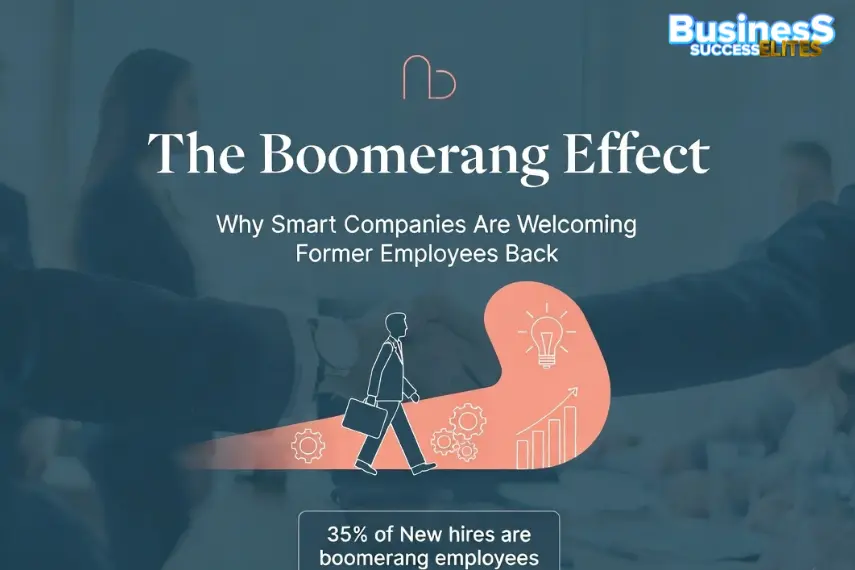
According to ADP research, boomerang employees made up 35% of all new hires in March 2025, up from 31% the previous year. In the information and tech sectors, the figure soared to nearly 68%, and almost two out of every three new hires were people returning to a previous employer. This isn’t a short-term blip; it reflects a fundamental shift in how both companies and professionals view career paths.
Rehiring former staff offers clear advantages. They already know your systems, culture, and people, which slashes onboarding time and training costs, often by 50% or more. Many studies show boomerang hires ramp up faster, perform at higher levels, and demonstrate stronger commitment than completely new external hires. They also bring something extra: fresh perspectives and skills gained elsewhere, combined with deep institutional knowledge.
For companies, the financial math is compelling. Recruiting and training a new employee can easily cost tens of thousands of dollars. Boomerang hires dramatically reduce that risk because managers already understand their strengths and work style. In a tight labour market, especially for specialised roles, they represent lower-risk, high-reward talent.
Successful rehiring starts long before a job offer. The best organisations treat departures with respect, conducting honest exit interviews, celebrating contributions, and keeping the door open through alumni networks, occasional check-ins, or thoughtful updates. Employees remember how they were treated on the way out. When the grass is not greener on the other side (and research shows many realise this within a year or two), a warm welcome back feels natural rather than awkward.
Of course, it’s not always smooth. Current employees may feel overlooked if a former colleague returns with better pay or terms. There’s also the risk that the person leaves again. Smart companies weigh these factors carefully and focus on cultural fit.
In the end, the rise of boomerang employees shows a maturing workplace: careers aren’t always linear, and good relationships matter more than ever. Companies that master graceful goodbyes and thoughtful welcomes are building stronger, more resilient teams, one return at a time.
10 Best Marketing Leaders From Asia 2025
July 4, 202610 Most Impactful Women Leaders From Asia 2025
July 4, 202610 Best Tech Leaders From Asia 2025
July 4, 2026